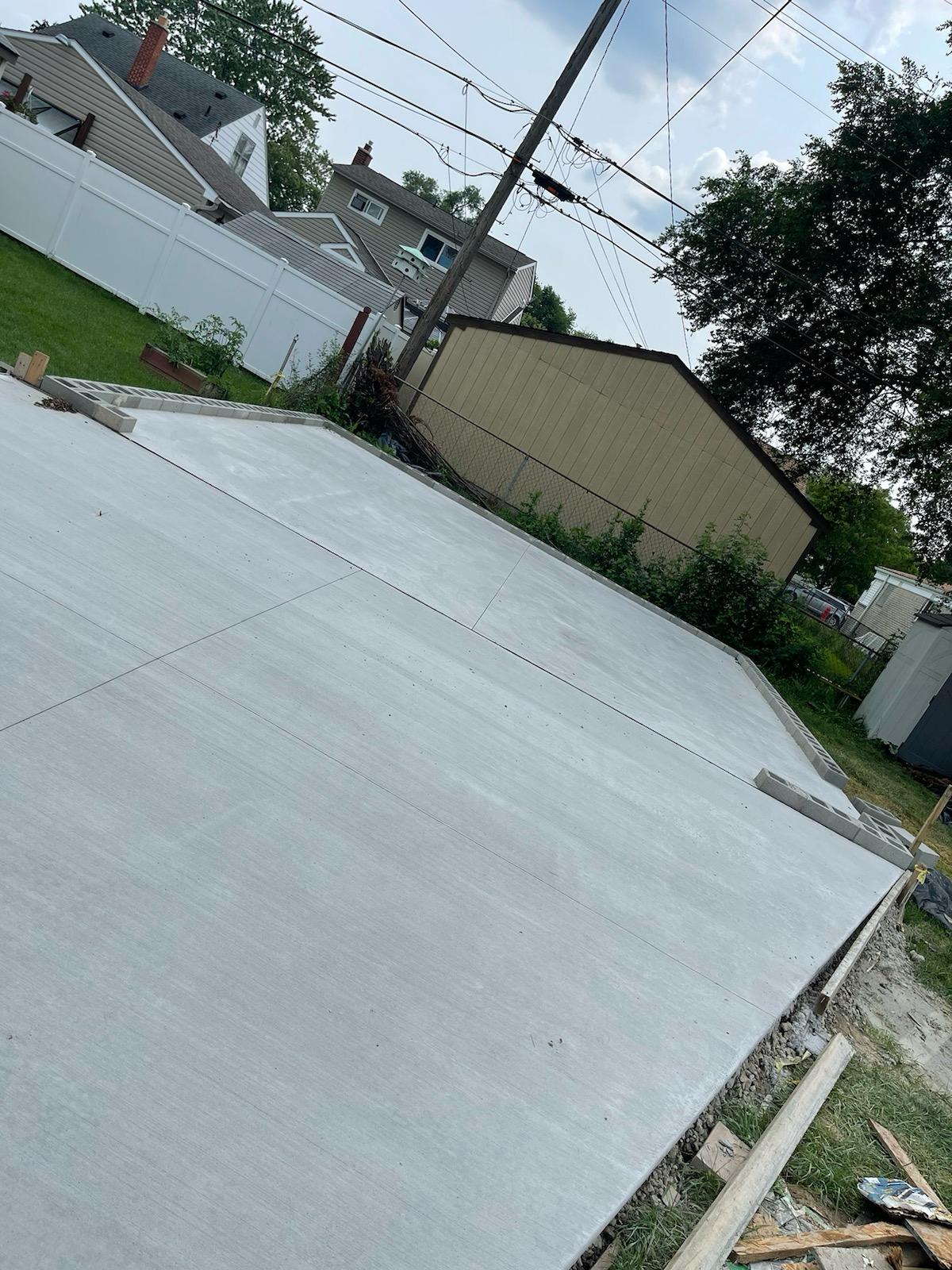
Choosing the Right Concrete for Your Home Addition
When planning a home addition, selecting the right concrete is crucial for ensuring durability, functionality, and aesthetic appeal. This comprehensive guide will help you understand the various types of concrete available and how to choose the best option for your specific needs.
Understanding Different Types of Concrete
Concrete is not a one-size-fits-all material. Here are the main types of concrete commonly used in home additions:
- Standard Concrete: Ideal for most structural applications.
- High-Strength Concrete: Suitable for heavy loads and specialized applications.
- Lightweight Concrete: Great for reducing weight in structural elements.
- Decorative Concrete: Offers aesthetic appeal through various finishes and colors.
- Reinforced Concrete: Enhanced with steel or fibers for added strength.
Factors to Consider When Choosing Concrete
Selecting the right concrete for your home addition requires careful consideration of several factors:
- Load-Bearing Requirements: Assess the weight the concrete will need to support.
- Climate Conditions: Consider local weather patterns and temperature fluctuations.
- Aesthetic Preferences: Determine if you want a plain or decorative finish.
- Budget Constraints: Evaluate how much you are willing to spend on materials.
- Longevity and Maintenance: Consider the lifespan and upkeep required for the chosen concrete.
Load-Bearing Requirements
Understanding the load-bearing requirements is vital. If your addition will support heavy structures like a second story, high-strength concrete or reinforced concrete may be necessary.
Climate Conditions
Concrete performance can be affected by climate. For instance, areas with freeze-thaw cycles may require special additives to prevent cracking.
Aesthetic Preferences
If appearance is important, consider decorative concrete options. Stamped, stained, or polished finishes can enhance the visual appeal of your home addition.
Types of Decorative Concrete
Decorative concrete can add unique character to your home addition. Here are some popular types:
- Colored Concrete: Achieved by adding pigments during mixing.
- Stamped Concrete: Textured to resemble stone, brick, or tile.
- Exposed Aggregate: Provides a rough surface showcasing the aggregates.
- Polished Concrete: Smooth and shiny finish that is easy to maintain.
Working with a Concrete Contractor
Once you have determined the type of concrete you need, it is essential to work with a qualified concrete contractor. Here are some tips for finding the right professional:
- Check Credentials: Ensure the contractor is licensed and insured.
- Review Past Work: Look at previous projects to gauge quality.
- Ask for References: Speak with past clients about their experiences.
- Get Written Estimates: Obtain detailed quotes to compare costs.
- Discuss Timeline: Clarify how long the project will take.
Conclusion
Choosing the right concrete for your home addition is a critical step that can affect the structure's durability and appearance. By understanding the different types of concrete available and considering various factors, you can make an informed decision that aligns with your needs and preferences. Collaborating with a skilled contractor will further ensure that your home addition is built to last.