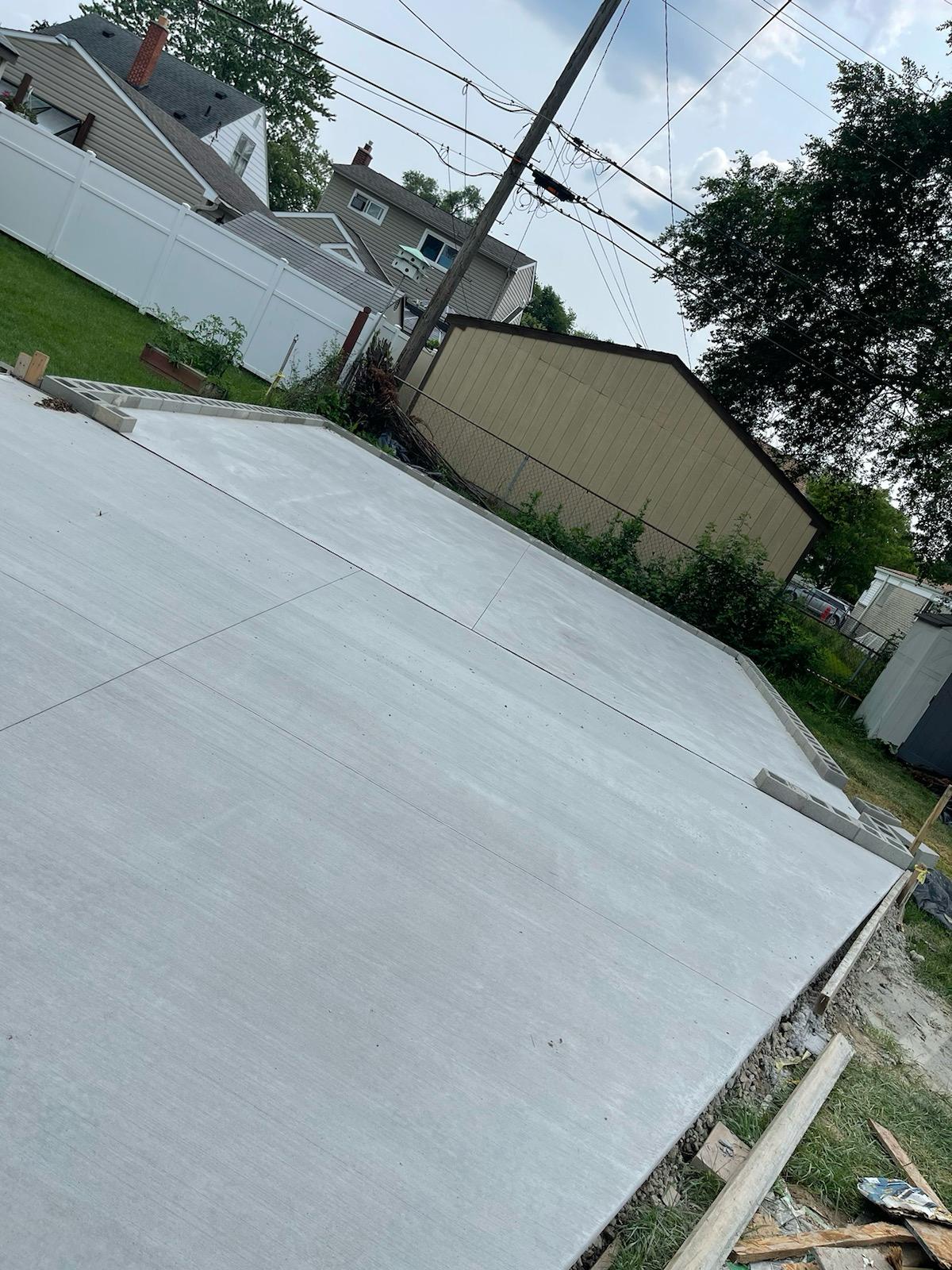
The Role of Concrete in Sustainable Building
As the construction industry evolves, the focus on sustainability becomes more pressing. Concrete, traditionally viewed as a carbon-intensive material, is now being re-evaluated for its potential in sustainable building practices.
Understanding Sustainable Building
Sustainable building refers to the practice of designing and constructing buildings that minimize environmental impact, reduce resource consumption, and promote energy efficiency. This approach not only benefits the environment but also enhances occupant health and well-being.
Key Principles of Sustainable Building
- Energy efficiency
- Water conservation
- Sustainable materials usage
- Indoor environmental quality
- Sustainable site development
Concrete: A Sustainable Choice?
While concrete has a reputation for being environmentally damaging due to its carbon emissions during production, advancements in technology and materials are changing this perception. Eco-friendly concrete options are emerging, providing a sustainable alternative.
Innovations in Eco-Friendly Concrete
- Recycled aggregates: Using reclaimed materials reduces the need for virgin resources.
- Geopolymer concrete: Made from industrial by-products, this concrete significantly cuts down carbon emissions.
- High-performance concrete: Improved durability and longevity lead to reduced maintenance and replacement needs.
Benefits of Using Concrete in Green Construction
Concrete’s unique properties can contribute significantly to sustainable building projects. Here are some benefits:
- Thermal mass: Concrete's ability to absorb and retain heat helps regulate indoor temperatures, reducing energy costs.
- Longevity: Durable concrete structures require less frequent repairs and replacements.
- Fire resistance: Concrete’s non-combustible nature helps improve building safety and reduces fire-related losses.
- Low maintenance: Concrete surfaces require less upkeep compared to other materials, saving resources over time.
Carbon Footprint Mitigation
Concrete's carbon footprint can be minimized through practices such as:
- Optimizing mix designs to use less cement.
- Incorporating recycled materials into concrete mixtures.
- Utilizing carbon capture technologies during production.
Challenges in Sustainable Concrete Practices
Despite its potential, there are challenges in implementing sustainable concrete practices. These include:
- Higher initial costs of eco-friendly alternatives.
- Lack of awareness and training among contractors.
- Regulatory barriers that hinder the adoption of new materials.
The Future of Concrete in Sustainable Building
As the demand for sustainable construction continues to rise, the future of concrete looks promising. Innovations in material science and a shift towards circular economy principles will likely enhance concrete's role in eco-friendly building.
Conclusion
Concrete, when used wisely and innovatively, can be an integral part of sustainable building practices. By focusing on eco-friendly alternatives and optimizing its use, we can harness concrete’s advantages while minimizing its environmental impact. The construction industry stands at a pivotal moment, and embracing sustainable concrete solutions can lead to a greener future.